RC Driver The Best In RC Car & Truck News, Reviews & Video



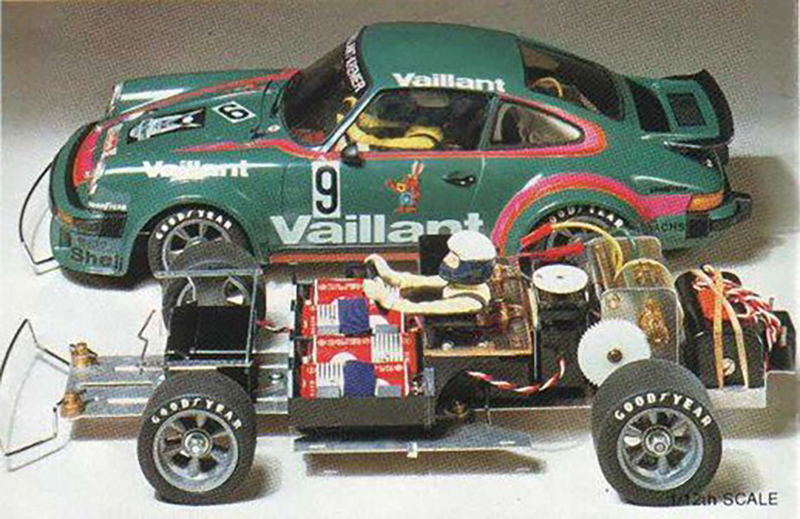
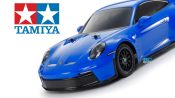
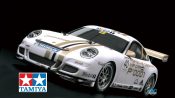
Tamiya is once again celebrating the anniversary of its first-ever RC model, the 1/12 scale Porsche 934 released in 1976. Motorized models were nothing new for Tamiya at the time, but this was the first to get a dedicated chassis designed for radio control. Fittingly, Tamiya has revisited the 934 with each anniversary of the original’s debut, though in larger 1/10 scale (and with a quantum leap in durability and performance).
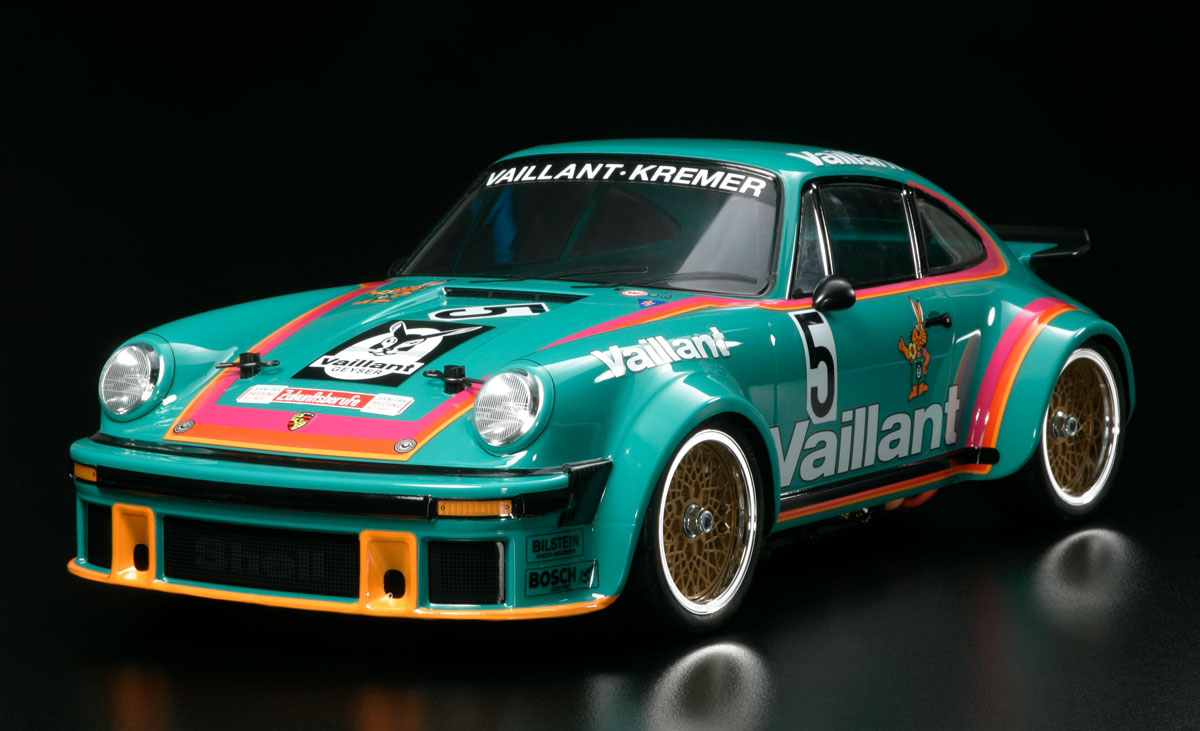
When Tamiya celebrated 30 years, the R34 came back Vaillant colors, just like the new 50th Anniversary car. Beneath the body, the car was as modern as it got for 2006 Tamiya tech:
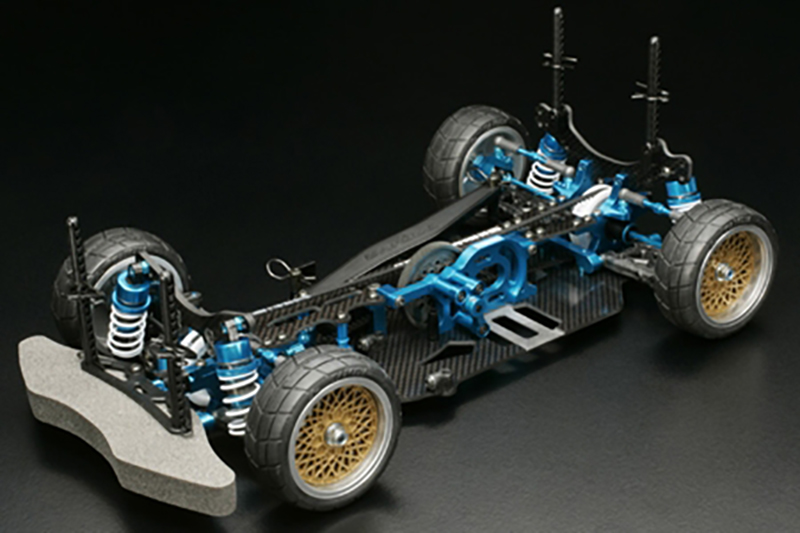
Full carbon fiber and aluminum? Now that’s a celebration. The mid-motor, dual-belt TA05 chassis still looks hot.
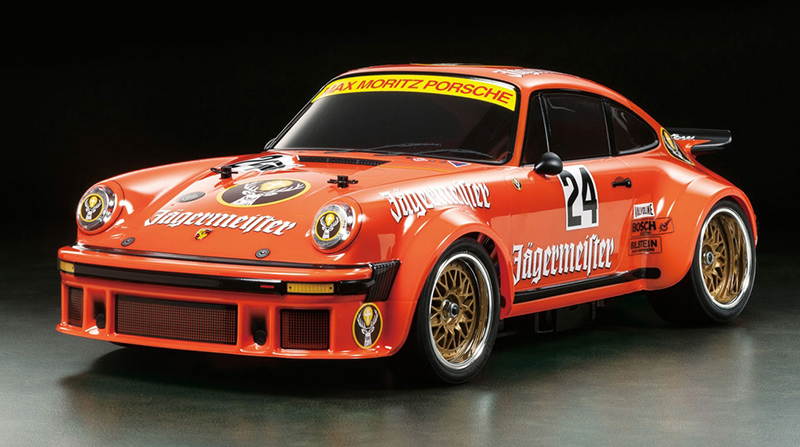
For the 40th Anniversary car, Tamiya went with Jagermeister livery and parked a truly iconic touring car chassis under the Lexan with a TA02 – specifically, the TA02SW, with SW standing for Short Wheelbase.
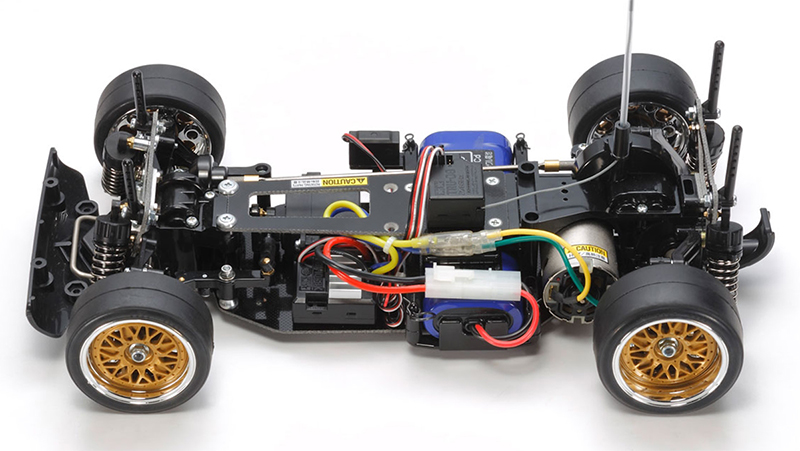
… But instead of the expected Manta-Ray-style plastic tub, Tamiya supplied the gorgeous FRP plate set with matching shock towers. The 90s flashback vibes went hard with this one, and still do.
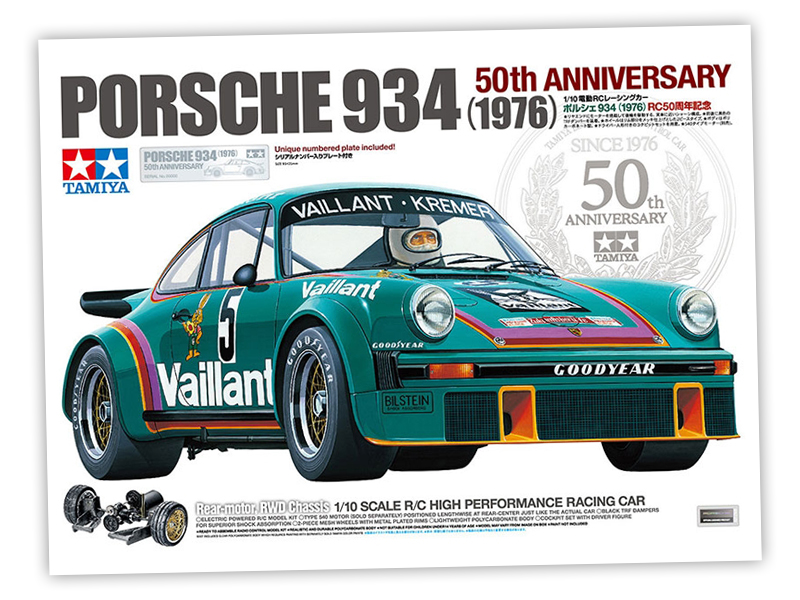
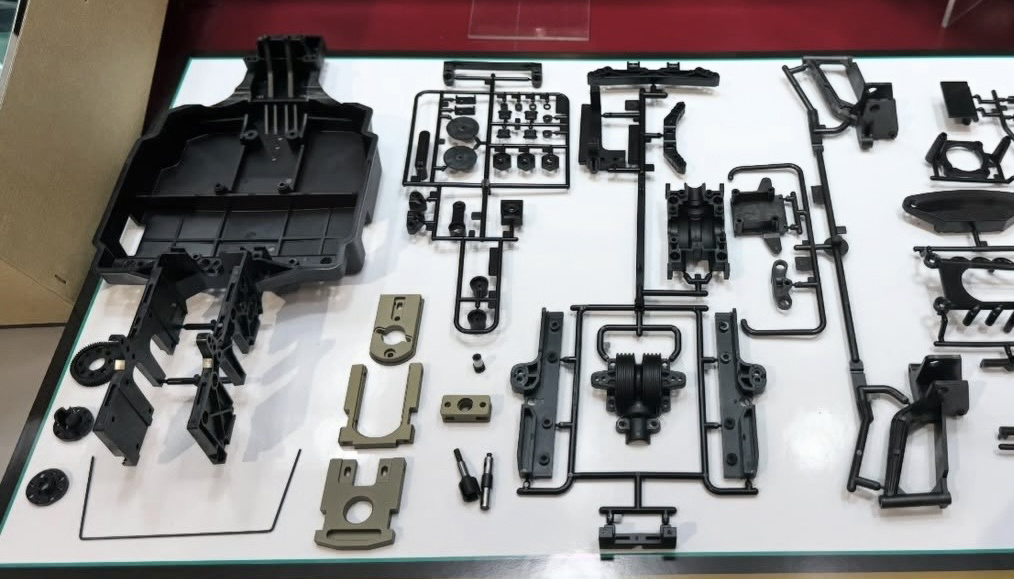
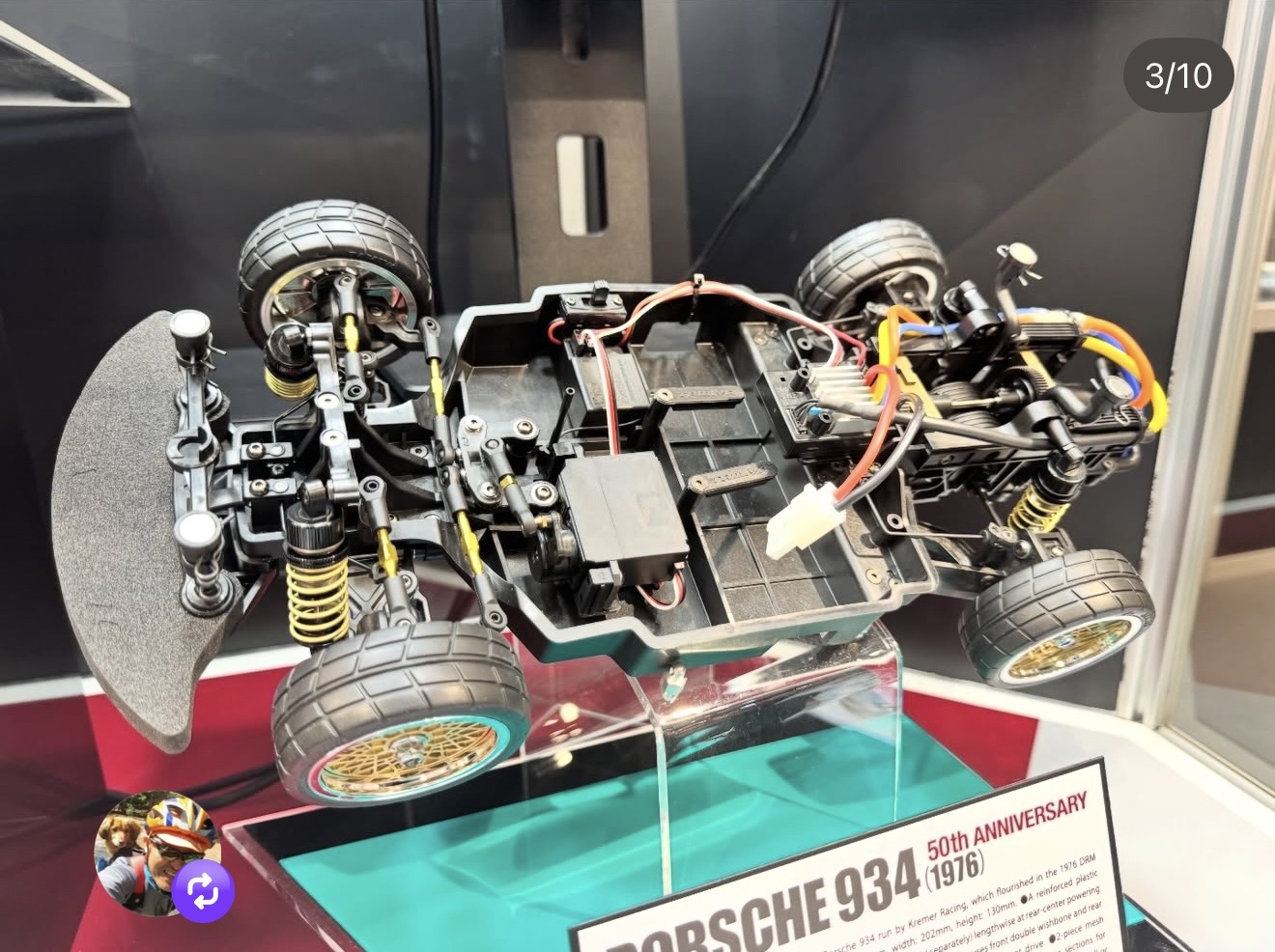
That brings us to the 50th Anniversary car, which gets an all-new chassis that leans hard into the spirit of the 934 with a rear-mounted (like, very rear-mounted) longitudinal motor and trailing arm suspension.
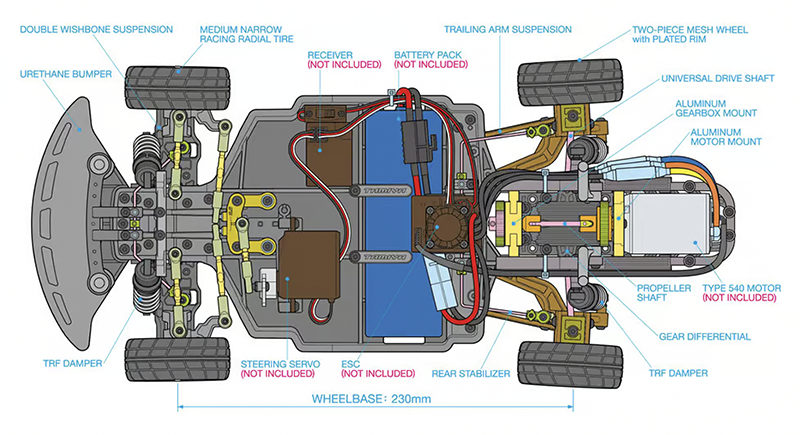
Here’s a look at that rear end via Tamiya’s Instagram:
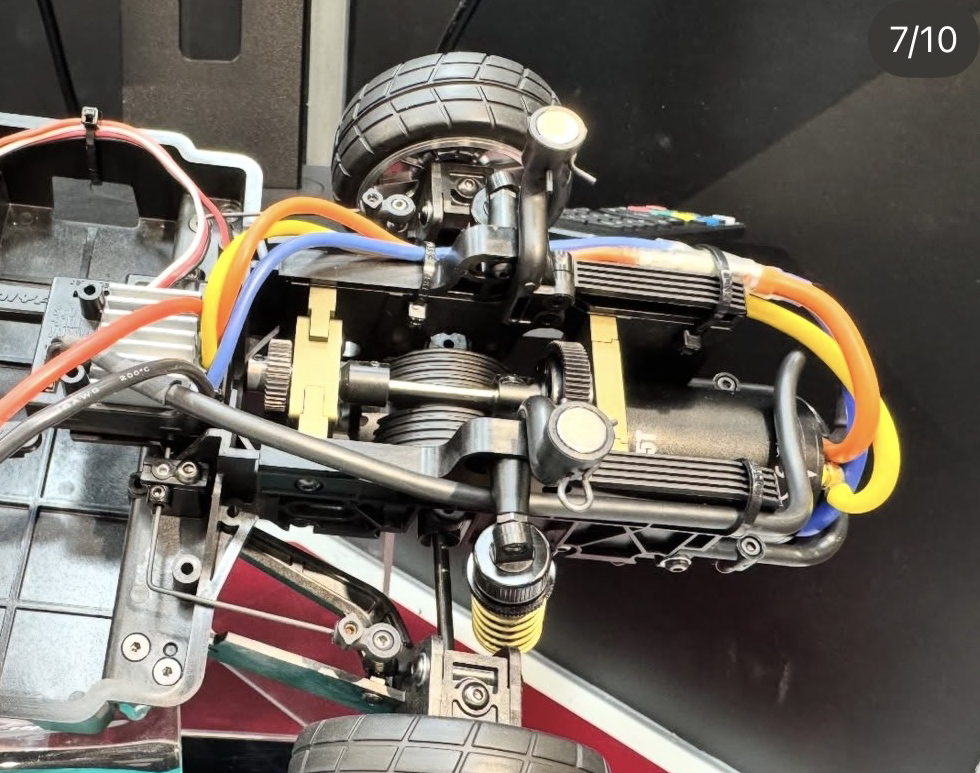
A few things to note here: the gold-anodized aluminum motor mount and gear support; the magnetic body mounts; and the wild drivetrain configuration, which we’ll get to in a sec. If it looks like the suspension is missing something, you’re right: there are no camber links. Tamiya doesn’t make an effort to shape the suspension arms like the “real thing” (below), but they function the same way.
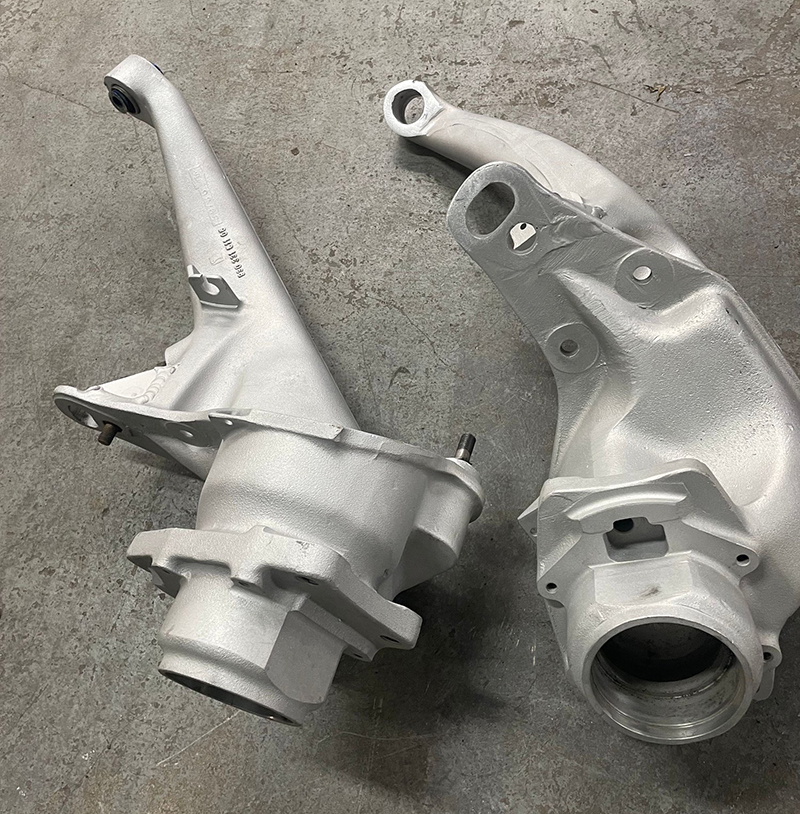
Now, you may be thinking, “Isn’t camber going to be all over the place?” I hear you, but no. Unlike Tamiya’s SRB cars and their rear A-arms (or H-arms if you prefer) that swing the wheels from highly positive camber to deeply negative camber with suspension action, the new car’s trailing configuration means there’s much less camber change.
Now let’s talk about that drivetrain, because wow: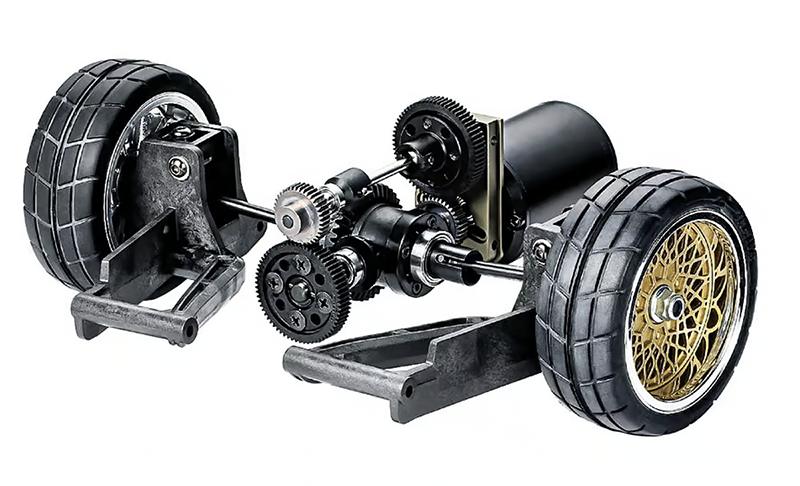
Like the full-size 934, the motor is mounted longitudinally. This places the motor’s output shaft close to the differential, leaving little room for the gears required to provide an appropriate final drive ratio. Tamiya’s solution sends motor power over the top of the diff via a single gear mesh and dogbone driveshaft, then drops it back down with another gear mesh to spin the bevel pinion that engages the diff’s ring gear. (Also worth noting: the diff looks pretty stout with that four-bolt housing).
Long story short, there’s a ton to nerd out on here. Looking forward to seeing Greg build this one!